More beans and lentils may benefit your heart
Author: Fitness Guru | Category: Diet & Nutrition
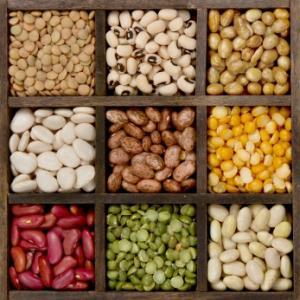 Eating beans, lentils and other legumes may help you cut down on LDL “bad” cholesterol and lower your risk for heart disease, a new review suggests.
Canadian researchers examined 26 US and Canadian studies that included a total of more than 1000 people.
Their analysis showed that one daily serving (3/4 cup) of legumes– foods such as beans, chickpeas, lentils and peas – was linked to a reduction in…
10 Apr 2015
 Vitamin D deficiency is incredibly common in the US, but many Americans mistakenly believe they aren’t at risk because they consume vitamin-D-fortified foods (such as milk).
 Can exercise help boost your cognitive faculties? Researchers increasingly say the answer is a resounding yes. Recent research reveals that exercise promotes a process now known as neurogenesis, i.e. your brain’s ability to adapt and grow new brain cells, regardless of your age…
 “Succulent” is a perfect word for the juicy flesh of the peachy-orange cantaloupe, one of the most refreshing summer fruits. It’s a member of the cucurbit family of plants, along with cucumbers, pumpkins, gourds, and other melon varieties, like honeydew. Their cultivation is widespread throughout the world, including the US. California wins the prize for highest production, although we still import from South and Central America because consumption is high and it’s a warm-season crop.
 Women who eat a lot of fat, particularly saturated fat, may be at higher risk of certain types of breast cancer, new research suggests.
 Probiotics and/or prebiotics may help alleviate the severity of celiac disease. According to a new research study, intestinal bacteria in celiac patients could influence inflammation to varying degrees.
 If you’re looking to shrink and tone your belly, there’s a better way to do it than trying to do crunches. In fact, research has shown that doing abdominal exercises alone—even when performed five days a week for six weeks—has no effect at all on subcutaneous fat stores and abdominal circumferencei.
 One of the most wildly popular trees on the planet is the cacao, the plant species from which cocoa – and chocolate – is derived. While some might think cacao and cocoa are one in the same, they’re not, exactly. Cacao is the tree, while cocoa is the product made from it (not to be confused with coca, an evergreen shrub from which cocaine is concocted). Edible parts of cacao pods and the beans inside them can be processed to make cocoa powder, cocoa butter, or chocolate after being dried and fermented…
 NatureWise Garcinia Cambogia Extract Natural Appetite Suppressant and Weight Loss Supplement, 180 Count, 500mg